The Impact of Cleanliness on Public Health
Cleanliness is not just a matter of aesthetics; it plays a crucial role in public health. The state of our environment directly influences our well-being, affecting everything from the spread of diseases to mental health. In this blog post, we will explore the multifaceted impact of cleanliness on public health, backed by research and real-world examples.

Understanding Cleanliness and Its Importance
Cleanliness refers to the absence of dirt, pollution, and contaminants in our surroundings. It encompasses various aspects, including personal hygiene, sanitation of public spaces, and environmental cleanliness. The importance of cleanliness can be summarized as follows:
Disease Prevention: Clean environments reduce the risk of infectious diseases.
Mental Well-being: Clean spaces contribute to improved mental health.
Community Pride: Well-maintained areas foster a sense of community and belonging.
Disease Prevention
One of the most significant impacts of cleanliness is its role in preventing diseases. According to the World Health Organization (WHO), poor sanitation and hygiene are responsible for numerous health issues, including diarrhea, cholera, and respiratory infections.
For example, a study conducted in rural India found that improving sanitation facilities reduced the incidence of diarrhea by 38%. This highlights the direct correlation between cleanliness and health outcomes.
Mental Well-being
Cleanliness also affects mental health. Studies have shown that individuals living in clean environments report lower levels of stress and anxiety. A clean space can enhance focus and productivity, making it essential for workplaces, schools, and homes.
For instance, a research project at the University of California found that participants in clean environments performed better on cognitive tasks compared to those in cluttered spaces. This suggests that cleanliness can significantly enhance mental clarity and overall well-being.
The Role of Public Spaces
Public spaces, such as parks, streets, and community centers, play a vital role in promoting cleanliness and, consequently, public health. When these areas are well-maintained, they encourage community engagement and physical activity.
Parks and Recreation Areas
Parks are essential for physical health, providing spaces for exercise and relaxation. A clean park can attract more visitors, promoting a healthier lifestyle. For example, a study in the American Journal of Preventive Medicine found that individuals living near well-maintained parks are more likely to engage in physical activities.
Streets and Urban Areas
Clean streets contribute to a sense of safety and community pride. Cities that prioritize cleanliness often see lower crime rates and higher levels of community involvement. For instance, New York City’s “Clean Streets” initiative has led to a noticeable decrease in litter and an increase in community events, fostering a stronger sense of belonging among residents.
The Economic Impact of Cleanliness
Investing in cleanliness can yield significant economic benefits. Clean environments attract businesses, tourists, and residents, leading to increased economic activity.
Attracting Tourism
Tourism is heavily influenced by the cleanliness of a destination. Cities known for their cleanliness, such as Singapore and Tokyo, attract millions of tourists each year. A clean environment enhances the visitor experience, leading to positive reviews and repeat visits.
Reducing Healthcare Costs
Investing in cleanliness can also reduce healthcare costs. By preventing diseases through improved sanitation and hygiene, governments can save millions in healthcare expenditures. For example, the Centers for Disease Control and Prevention (CDC) estimates that every dollar spent on sanitation can save up to $4 in healthcare costs.
Strategies for Promoting Cleanliness
To harness the benefits of cleanliness for public health, communities can implement various strategies:
Education and Awareness
Raising awareness about the importance of cleanliness is crucial. Educational campaigns can inform residents about proper hygiene practices and the impact of cleanliness on health. Schools can play a vital role by incorporating hygiene education into their curricula.
Community Involvement
Engaging the community in cleanliness initiatives fosters a sense of ownership and responsibility. Organizing clean-up drives, tree planting events, and workshops can encourage residents to take pride in their surroundings.
Government Policies
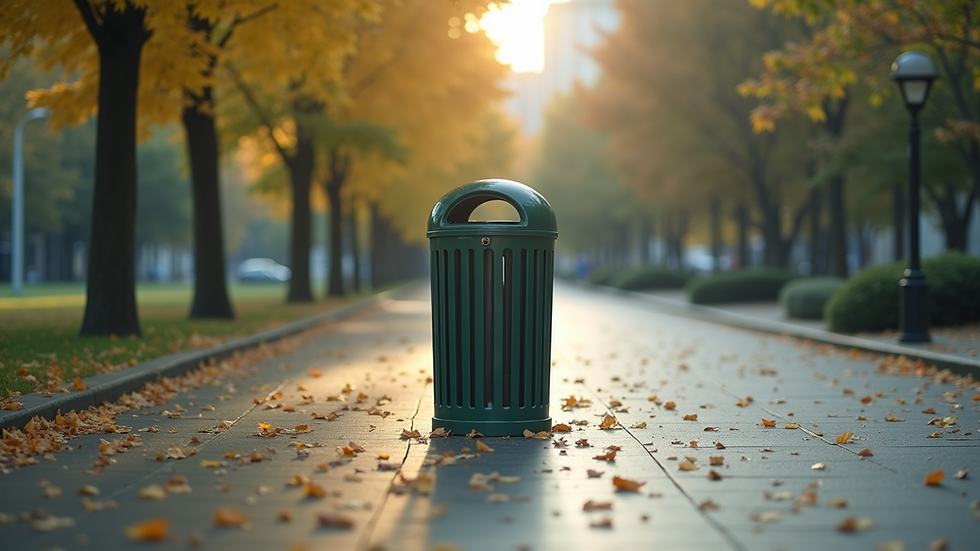
Governments can implement policies that promote cleanliness, such as stricter regulations on waste management and sanitation. Investing in public infrastructure, such as waste bins and recycling stations, can also enhance cleanliness in urban areas.
The Global Perspective
Cleanliness is a global issue that transcends borders. Countries around the world face challenges related to sanitation and hygiene, impacting public health.
Developing Countries
In many developing countries, lack of access to clean water and sanitation facilities poses significant health risks. Organizations like UNICEF and WHO are working to improve sanitation in these regions, recognizing that cleanliness is essential for public health.
Developed Countries
Even in developed countries, cleanliness remains a challenge. Urban areas often struggle with litter and pollution, affecting residents' quality of life. Initiatives to promote cleanliness in these regions can lead to healthier communities.
Conclusion
The impact of cleanliness on public health is profound and multifaceted. From preventing diseases to enhancing mental well-being, cleanliness is essential for a thriving community. By prioritizing cleanliness through education, community involvement, and government policies, we can create healthier environments for all.
As individuals, we can also contribute by maintaining our personal spaces and participating in community initiatives. Together, we can foster a culture of cleanliness that benefits everyone.
Call to Action
Consider how you can promote cleanliness in your community. Whether it’s organizing a clean-up event or simply picking up litter in your neighborhood, every small action contributes to a healthier public space. Let’s work together to make cleanliness a priority for public health!

Comments